

Rating: 7.5/10 | Verdict: Interesting, but Skippable
NOTE: This movie is rated R for some non-sexualized nudity and brief strong language. Some viewers should also note that lesbian relationships figure prominently in this story.
This year, I’m attempting to watch all of the Best Picture Nominees for the 95th Academy Awards, which will be held this year on Sunday, March 12th.
Watching all of the films in this category during an Academy Awards season is something I’ve always aspired to do, but never quite managed to accomplish. The movies that get nominated for this category each year sometimes end up persisting in the public consciousness and being quoted or referenced for years after. More often, though, Best Picture nominees–and winners–end up largely forgotten despite their merits. Have you heard anyone you know talk about Green Book lately? How about Moonlight? Both were Best Picture winners within the last decade, but neither seem to have made enough of an impact to remain popular.
The film I’m reviewing today–the third Best Picture nominee out of ten I have written about–is one that I expect to fall into this category of forgotten but critically acclaimed movies.

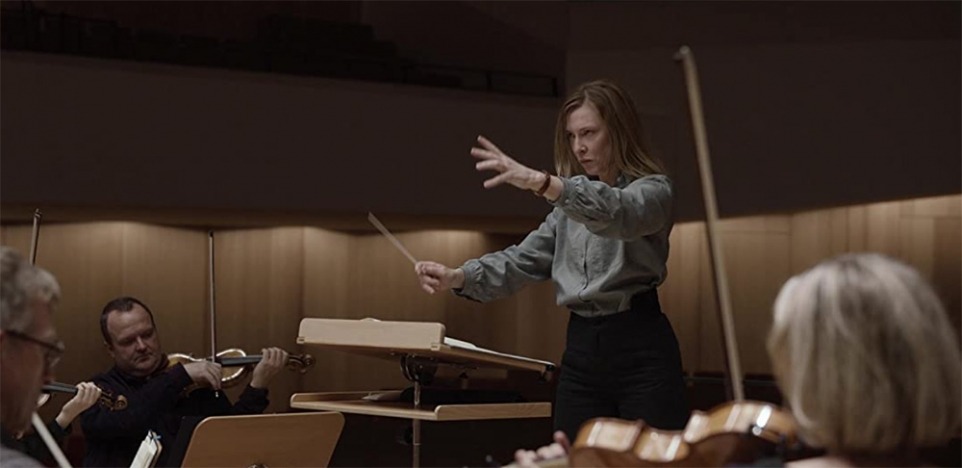
Tár is a movie starring Cate Blanchett about an ultra-successful professional orchestra conductor named Lydia Tár. The story is set in the elite world of classical music performance, where fame glitters even more than the gold that accompanies it. The movie begins as Tár anticipates the performance and live recording that will be the greatest achievement of her already illustrious career. As the movie progresses, though, we see that the interviews with The New Yorker and publishing deals might be going to Tár’s head. Or have they already? Or are they at all?

Commenting first on the technical aspects, the cinematography of the movie is done well, simultaneously complementing the story and offering several particularly satisfying shots. The sets and locations for the film are chosen expertly to reflect the elitist and often cold character of Tár herself and the world she inhabits (and creates). The score is subtle apart from inclusions of classical music, consistent with the style of filmmaking. In addition, Cate Blanchett’s acting in particular is excellent, and seems to deserve the nomination for Best Actress that she has received.

Getting into the story, this film is at its core a character study about power and hubris. It also explores to what degree art can be separated from the people who craft it. The movie seems to offer some answers to the questions it poses, but errs on the side of the vagueness and subtlety that are the hallmark of modern highbrow cinema–in this reviewer’s option, to a fault. The meanings of plot points and literary elements of the script are not spoon-fed to the audience, which is a good thing. Unfortunately, these are also so muted that different interpretations abound and the overall effect is muddled. The muted style also messes with the film’s narrative pacing, and causes the denouement to end unexpectedly.

Despite its ambiguity on several themes, a few main points do come through in Tár. One of these is that the potential of power to corrupt is genderless, especially as women occupy more and more positions of power in the modern age. The film also seems to argue that guilty until proven innocent is not such a negative side effect of contemporary cancel culture, at least in some cases. Other themes the movie reinforces are more traditional: arrogance is evil as well as destructive, and so is marital unfaithfulness (though here, the point is made in the context of a homosexual marriage).
A relevant Bible passage to these messages comes from 1 Corinthians:
“If I speak in the tongues of men and of angels, but have not love, I am a noisy gong or a clanging cymbal. And if I have prophetic powers, and understand all mysteries and all knowledge, and if I have all faith, so as to remove mountains, but have not love, I am nothing.”
1 Corinthians 13:1-2
The plot of Tár illustrates the fact that when we lose sight of how we are to serve and love others through the positions of power that God has granted to us, destructive pride inevitably results, harming not just the people around us but also ourselves. If we fail to steward our power well, there will be consequences– perhaps in this life, and certainly in the one to come. God shows no partiality, and so women should not expect more lenience than men on this matter regardless of past inequities. In addition, women as well as men must guard against sexual sin. If any of us make provision for the flesh to gratify sinful desires (Romans 13:14), they will grow to consume us more and more, as they do Tár.
All in all, Tár presents some perhaps unexpected possibilities for our society’s present reevaluation of gender norms and encourages contemplation about the pros and cons of cancel culture. At the same time, the story suggests that pride and unfaithfulness are sins that destroy, which God likewise makes clear throughout the Bible. Tár provides interesting food for thought while also leaving one dissatisfied with the film’s overall effect. Its flaws make it skippable and likely to be forgotten once awards season is over. Those who do choose to watch it are likely to be left with more confusion than new wisdom.
I’ll end with another relevant verse:
“Let he or she who thinks that they stand take heed, lest they fall.”
1 corinthians 10:12
 Dial "M" for Movie Reviews